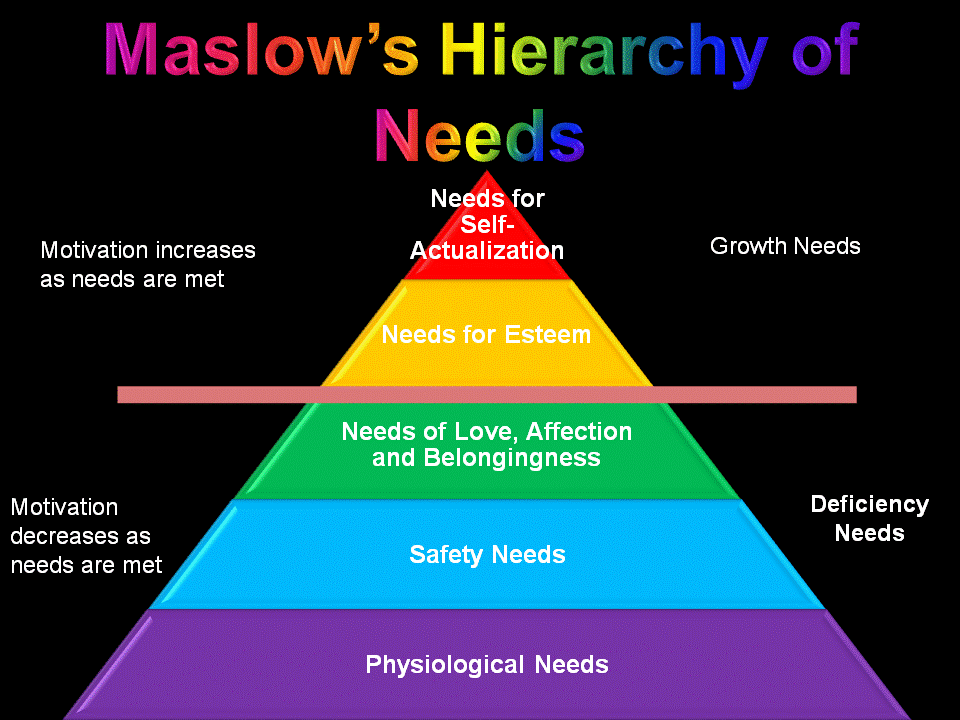
Students have basic needs that have to be met before they can concentrate on the learning of information and activities that are happening in the classroom.
The higher needs of Maslow Hierarchy of Needs come into focus when the lower needs of the pyramid have been met.
Physical Needs
Physiological needs are very basic needs. It includes examples such as air, food, water, sleep and body temperature. If these needs are not met, the student’s entire motivation may become diminish. These needs are required to alleviate any discomfort and irritation that may have occurred. Once these needs have been met, then the students attention can focus on their more complex needs.
Safety Needs
Once the physiological needs are met, the Students desire for an orderly and predicable world dominates their behaviour. Their motivation to feel secure in their family, society and the people that surround them in everyday life is a key factor. If the student feels uncomfortable then they will not be able to give attention to anything else.
Need for Love Affection and Belonging
Student start searching for belonging and acceptance. The need to love and be loved. Students do not want to feel lonely or alienated. If students are thinking all through the lesson who they are going to play with and who is going to be their friend then this desire will overcome the desire to pay attention to the teacher.
Esteem Needs
Student built self esteem results in competence or mastery of a task. As the students esteem builds when they receive attention and recognition from others, the want for high self respect and respect from others increases. When these needs are met the student feels valuable and a sense of belonging in the world is achieved.
Self Actualization
Once all needs are met, then the student can finally realise one’s full potential. This involves the belief they have become everything that one is capable of becoming. It also includes reaching one’s goals.
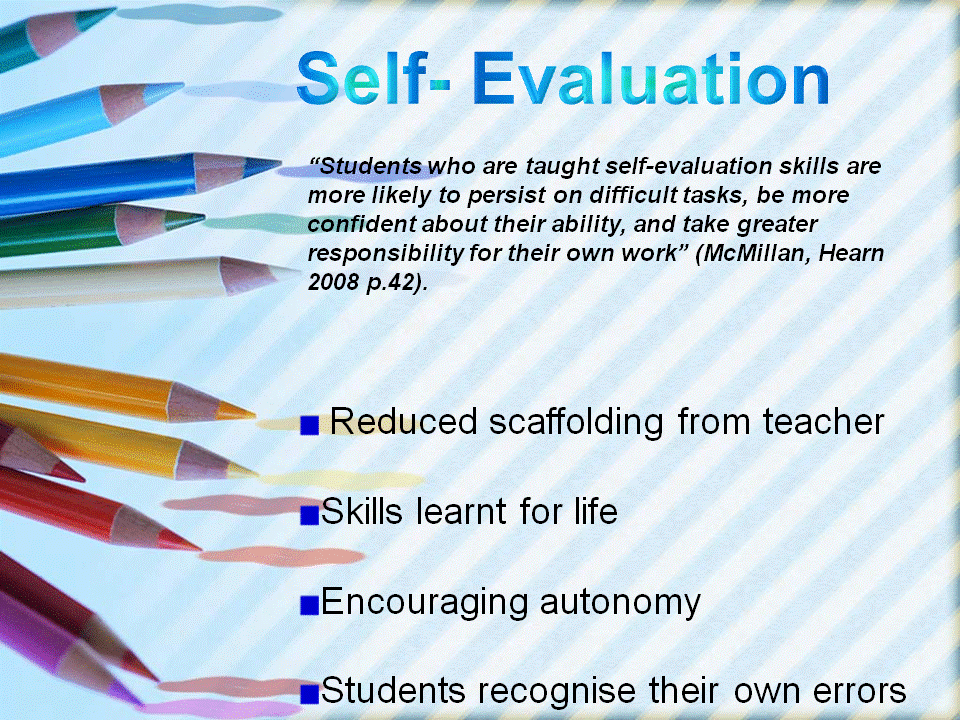
Effective teaching in the twenty-first century recognises and reinforces the benefits of self-evaluation, for the student and the teacher. Less scaffolding is needed from the teacher and the student has learnt a skill that they will use for most tasks in life.
Students who are able to judge and assess their own work are likely to become more motivated to achieve, as they feel more positive about what they know and how to recognise the discrepancies with their own work. (McMillan, Hearn 2008)
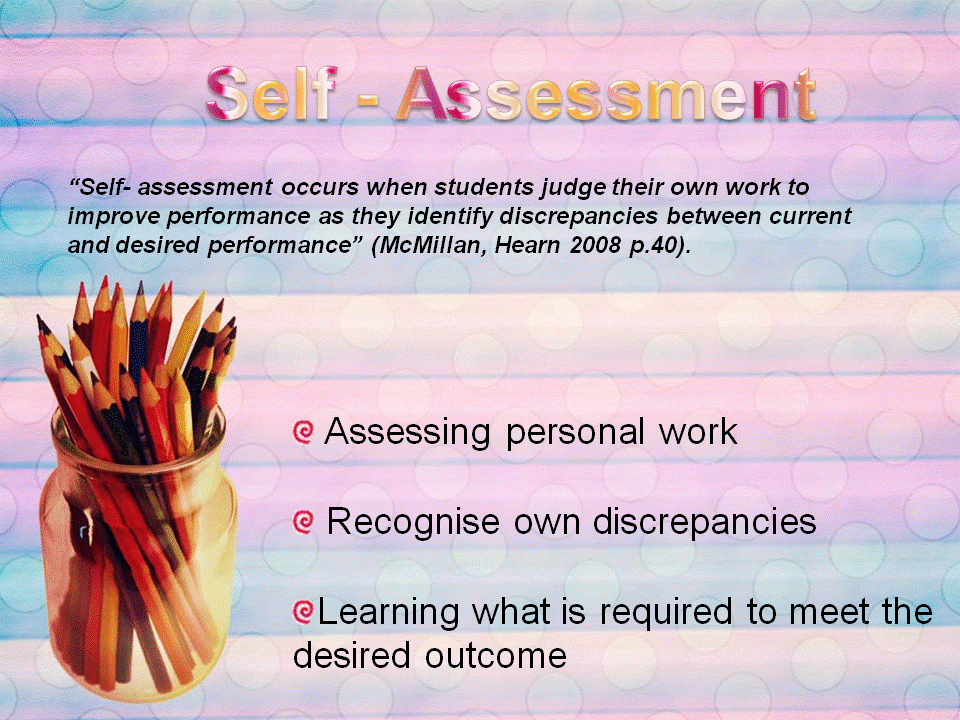
There is more than one way to motivate students in the classroom. One of these ways is self-assessment, allowing students to assess their personal work as well as acknowledge what is required of them to meet their desired mark or outcome. This helps the student to discover and recognise the discrepancies. (McMillan, Hearn 2008)
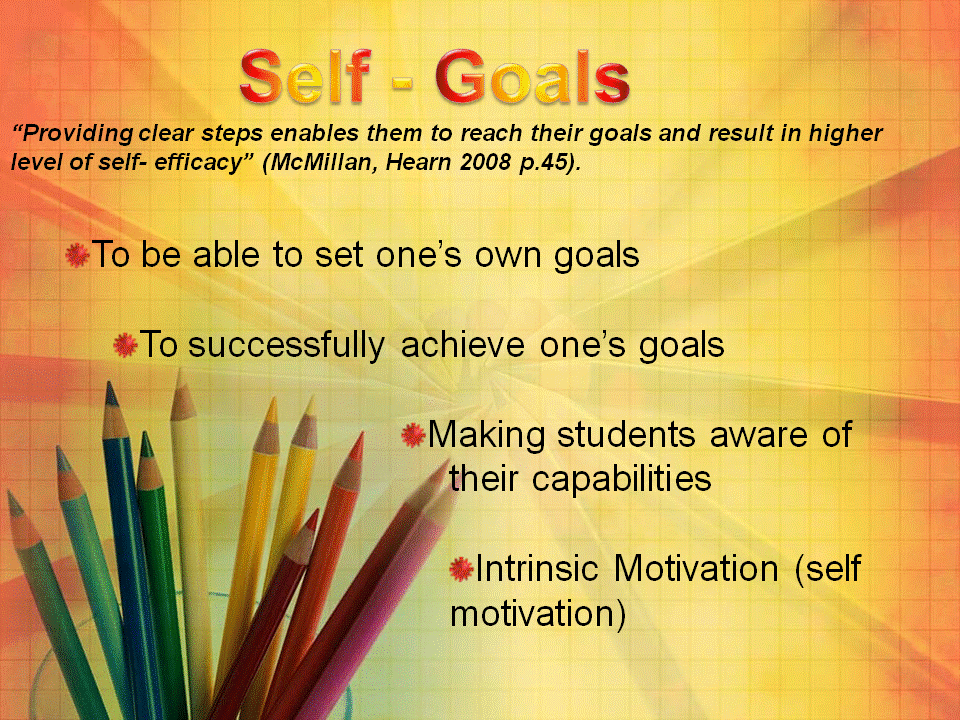
Student who are able to set their own goals are more likely to accomplish them rather than goals that are set for them. Once the student has achieved their desired goals successfully they will be more inclined to set higher goals and work towards achieving them. Students are less likely to fail at their desired goals if they have self-efficacy skills. Effective teachers hold high expectations of performance for all students. This will enable the student to be more aware of their capabilities in regards to completing the task at hand and in turn will motivate and help encourage the student to engage in the learning activity. (McMillan, Hearn)
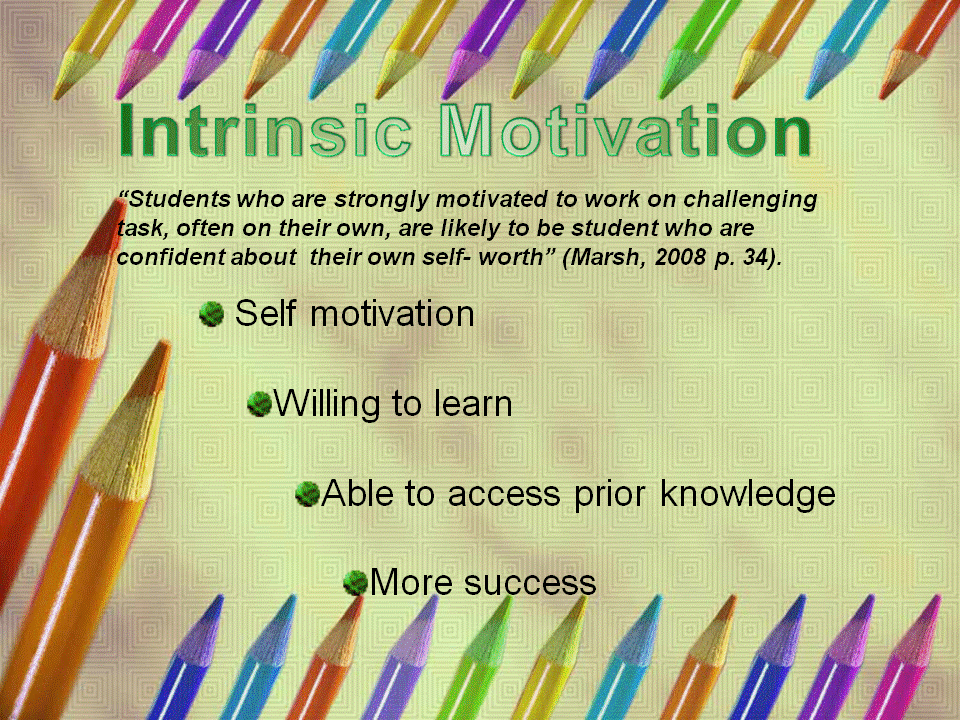
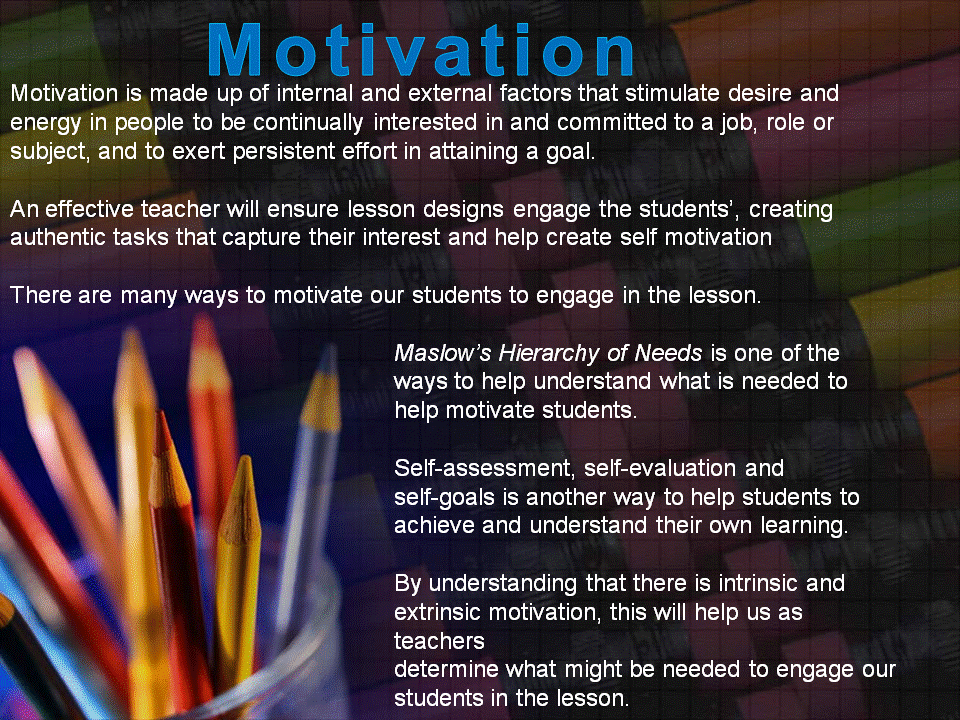
By planning lesson for student to get the most enjoyment possible will help improve the way students relate and engage in the information being taught. Teaching students in interesting and different ways that the student can appreciate helps self motivational skill. The students believes they will benefit personally from what is being taught then they will be interested and willing to learn, the student will be self motivated and therefore the learning process is easier and students comprehend the information. Rather than if they could not relate to or understand what was being taught. (Marsh, 2008 )
Intrinsic motivation can be determined through success or failure on the student part. The more success the student achieve the greater the motivation the student will have toward learning and engaging in the tasks at hand.
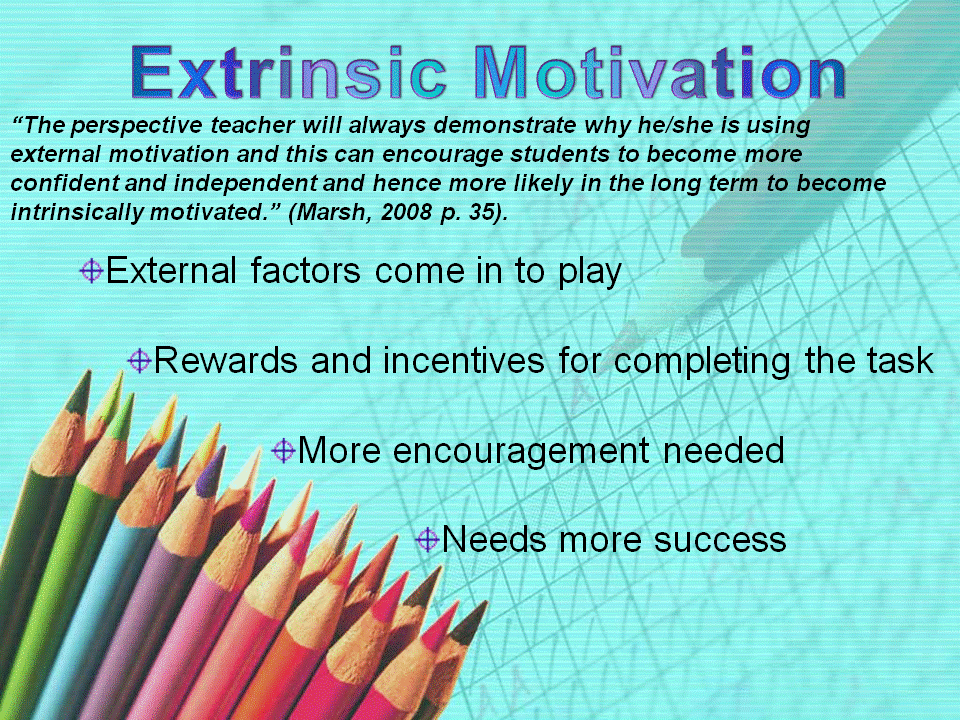
Sometimes we have to help student become motivated in what is being taught as they feel they will not benefit from the lesson, than are not willing to participate in the class. The teacher or parent sometimes needs to encourage the child with incentives and rewards, doing this than makes the child realise that if they partake or have some involvement then they will then receive something at the end.
The rewards need to be taken into consideration making sure what reinforcements are acceptable and unacceptable. Not all students respond the same way, different rewards will motivate different students, the student is not going to respond to the same rewards all the time and the teacher needs to look at different ways to help positive reinforcement. (Marsh, 2008 p. 35)
A teacher wants their students to be interested in what is being taught and not trying to interest them this is a lot more effort for both teacher and child. The goal of the teacher is to have student self motivated this is best done by relating the lesson back to information of student prior knowledge can help student pay more attention and engage in the lesson.

|
assignement 128.pptx Size : 0.559 Kb Type : pptx |
